Expert Insights on Designing Effective Custom Rubber Molds
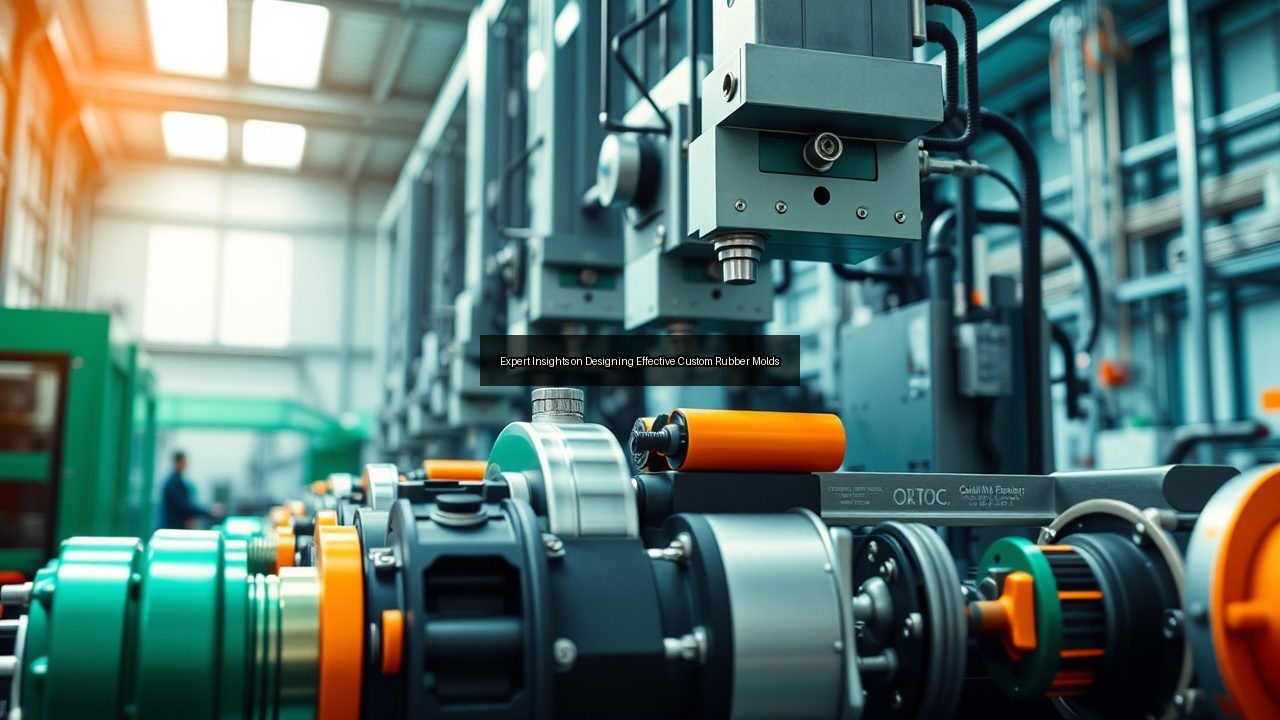
Understanding Custom Rubber Molding Technologies
Overview of Injection Molding
Custom rubber molding relies heavily on injection molding to produce precise components at scale. Manufacturers inject heated elastomer material into a closed mold under high pressure, which fills every cavity before curing occurs. This method delivers consistent rubber shapes with tight tolerances, making it ideal for high-volume runs of gaskets, grommets, and seals. Engineers select injection parameters based on part geometry and material flow to avoid defects like voids or flash. Customers benefit from reduced cycle times and minimal post-processing, while the process supports complex designs that compression molding cannot achieve as efficiently. Expert manufacturers integrate ISO-certified systems to maintain quality across batches, ensuring each molded part meets exact specifications for automotive and industrial use.
Design teams evaluate flow rates, gate locations, and vent placements early in the project to optimize results. Injection molding also accommodates bonding to metal inserts, expanding options for hybrid parts that combine rubber flexibility with structural strength. Overall, this technology streamlines production while supporting the exacting standards required in modern custom rubber molding projects.
Exploring Compression Molding
Compression molding remains a reliable choice for custom rubber molding when parts feature simple geometries or require thicker cross-sections. Workers place a pre-measured rubber compound into an open mold cavity, then close the press to apply heat and pressure that forces material to fill the space. This approach works well for large bushings, vibration dampers, and industrial pads where injection tooling costs would prove excessive. Manufacturers often choose compression molding for lower production volumes or when material properties demand minimal shear during processing. The process allows easy incorporation of fabric reinforcements or metal components through bonding techniques. Expert engineers monitor cure times and temperature profiles closely to prevent under-cured areas that compromise part performance.
Customers appreciate the lower upfront tooling investment compared with injection methods. Compression molding also supports a wide range of elastomer durometers, giving design flexibility for applications needing specific hardness levels. Proper mold maintenance and precise pressure control help achieve repeatable results that meet engineering requirements across multiple industries.
The Process of Transfer Molding
Transfer molding bridges the gap between injection and compression methods in custom rubber molding. Material moves from a transfer pot through runners into the mold cavities under pressure, enabling intricate features and tight tolerances on smaller parts. This technique suits production of grommets, O-rings, and specialized seals where flash must remain minimal. Manufacturers gain better control over material distribution than traditional compression, while avoiding the higher equipment costs of full injection systems. Temperature management plays a critical role, as the rubber must flow smoothly before vulcanization locks the shape. Expert tool designers position gates and vents to eliminate air traps that could weaken final components.
Customers in demanding sectors value the process for its ability to handle inserts and achieve strong bonding between rubber and substrates. Transfer molding supports consistent quality across runs and integrates well with inspection protocols that verify dimensions and material integrity. The method continues to serve industries seeking balanced performance and cost-effectiveness in rubber mold production.
Key Design Considerations for Custom Rubber Molds
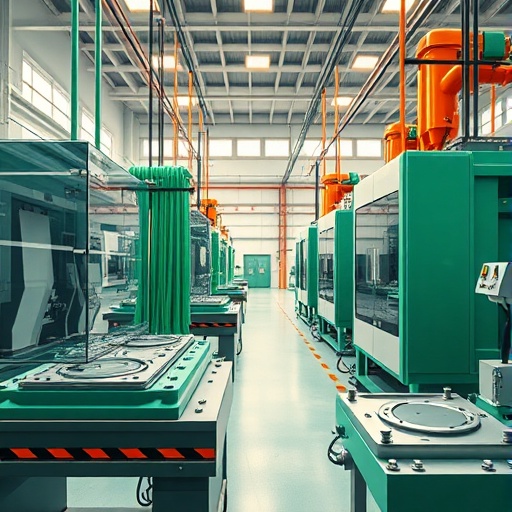
Material Selection: EPDM vs Silicone
Material choice directly influences the success of any custom rubber molding project. EPDM offers excellent resistance to weathering, ozone, and chemicals, suiting outdoor automotive components and sealing applications. Silicone provides superior temperature stability and flexibility across extreme ranges, making it preferred for food-grade packaging and medical devices. Engineers review operating conditions, including exposure to oils, UV light, and mechanical stress, before finalizing the elastomer. Manufacturers test samples to confirm compression set, tensile strength, and elongation meet specifications. Customers receive guidance on trade-offs, such as silicone's higher cost versus EPDM's broader chemical compatibility. Proper selection prevents premature failure and ensures long service life in the intended environment.
Design teams also consider processing characteristics, since each material behaves differently during injection, compression, or transfer molding. Additives and fillers can further tailor properties like color, hardness, and electrical conductivity. Expert manufacturers maintain detailed material data sheets and collaborate with customers to match the right compound to performance needs, reducing iterations and accelerating time to market.
Understanding Tolerances in Mold Design
Tolerances define the acceptable variation in molded rubber parts and require careful attention during the design phase. Rubber exhibits shrinkage and thermal expansion that affect final dimensions, so engineers calculate mold cavities with precise compensation factors. Custom rubber molding projects often demand tolerances as tight as ±0.005 inches for critical features like sealing surfaces. Manufacturers use advanced tooling and process controls to hold these limits consistently across production runs. Inspection protocols verify compliance through coordinate measuring machines and optical comparators. Customers gain reliable fit and function when tolerances align with actual application requirements rather than overly tight specifications that increase costs.
Collaboration between design engineers and mold makers helps identify which dimensions need precision versus those where wider tolerances suffice. Material selection and molding method also influence achievable accuracy. Expert manufacturers document tolerance capabilities upfront, allowing customers to make informed decisions that balance performance, manufacturability, and budget.
Temperature and Pressure Factors in Molding
Temperature and pressure settings determine cure quality and part integrity in custom rubber molding. Each elastomer requires specific ranges to achieve full vulcanization without scorching or under-cure. Injection molding typically operates at higher pressures to ensure complete cavity fill, while compression molding relies on sustained heat and force over longer cycles. Manufacturers monitor these variables in real time using sensors and automated controls to maintain consistency. Variations can lead to defects such as porosity or weak bonding, especially when inserts are involved. Expert engineers optimize profiles based on part thickness, material type, and mold design to maximize throughput without sacrificing quality.
Customers benefit when manufacturers provide detailed process data that demonstrates control over these factors. Temperature uniformity across the mold surface prevents warping, while pressure adjustments accommodate different durometers. Proper management of these elements supports repeatable results and helps meet demanding specifications in automotive, packaging, and industrial applications.
Applications of Custom Rubber Molds in Various Industries
Automotive Applications: Bushings and Gaskets
Custom rubber molding supplies critical components for automotive systems, including engine mounts, suspension bushings, and fluid gaskets. These parts must withstand vibration, temperature extremes, and chemical exposure while maintaining sealing performance. Manufacturers produce molded rubber shapes that fit precisely into assemblies, reducing noise and extending component life. Engineers design molds that accommodate metal inserts for bonding, creating hybrid parts with enhanced strength. Customers in the automotive sector rely on consistent quality to meet safety and durability standards. Inspection processes verify dimensions and material properties before shipment, ensuring each batch performs reliably in demanding environments. The versatility of rubber custom molds allows rapid adaptation to new vehicle platforms and evolving emission requirements.
Food Packaging Solutions
Food packaging demands rubber components that meet strict hygiene and regulatory standards. Custom rubber molding produces silicone gaskets, seals, and closures that resist migration and withstand repeated cleaning cycles. Manufacturers operate in controlled environments to prevent contamination during production. Material selection focuses on FDA-compliant compounds that maintain flexibility across temperature swings encountered in processing and storage. Customers value parts that create reliable seals without affecting product taste or safety. Transfer and injection methods enable intricate designs for valves and dispensing systems used in food equipment. Expert manufacturers document traceability and conduct regular audits to satisfy industry certifications, giving packaging companies confidence in supply chain integrity.
Noise Reduction: Vibration Dampening Bumpers
Vibration dampening bumpers and pads reduce noise and protect equipment in industrial and consumer settings. Custom rubber molding allows engineers to tailor durometer and geometry for optimal energy absorption. Manufacturers incorporate specific elastomer blends that dissipate vibration effectively while resisting compression set over time. These molded parts find use in appliances, machinery bases, and transportation systems where excessive noise creates operational issues. Customers specify exact shapes and mounting features to simplify assembly. Bonding techniques integrate rubber with plastic or metal substrates for added functionality. Thorough inspection confirms consistent performance across production lots, helping manufacturers deliver reliable solutions that address noise and vibration challenges in diverse applications.
Best Practices for Manufacturing and Inspection
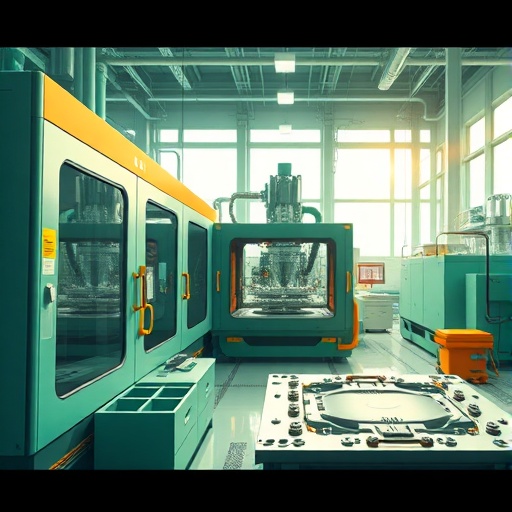
The Role of Clean Room Environments
Clean room environments protect sensitive custom rubber molding operations from airborne contaminants. Manufacturers producing parts for food, medical, or electronics applications maintain ISO-classified spaces that control particles, temperature, and humidity. Workers follow strict gowning and handling procedures to preserve part cleanliness throughout the molding cycle. This controlled setting proves especially important when bonding rubber to inserts or processing medical-grade silicone. Customers gain assurance that finished components meet purity requirements without additional cleaning steps. Expert manufacturers invest in air filtration and monitoring systems that document compliance during every production run. Clean room protocols integrate seamlessly with quality systems to support traceability and regulatory submissions.
Importance of Quality Control and Inspection
Quality control and inspection safeguard the performance of every molded rubber part. Manufacturers implement in-process checks for dimensions, surface finish, and material properties using calibrated equipment. Final inspection includes visual examination, durometer testing, and functional trials that simulate real-world conditions. Customers receive detailed reports that verify compliance with specifications. Statistical process control helps identify trends before defects occur, reducing scrap and rework. Expert teams document every step from compound mixing through curing to create full traceability records. This rigorous approach builds confidence that custom rubber molds deliver consistent results across high-volume orders and specialized low-run projects alike.
Engaging with Expert Manufacturers
Partnering with experienced manufacturers accelerates successful custom rubber molding outcomes. These experts bring deep knowledge of elastomer behavior, tooling design, and process optimization that shortens development cycles. Customers benefit from early design reviews that flag potential issues with tolerances, material selection, or manufacturability. Manufacturers provide prototypes for validation and scale production once parameters stabilize. Clear communication channels ensure information flows efficiently between engineering teams and production floor. Long-term relationships often yield cost reductions through shared tooling improvements and material innovations. Selecting a capable partner with proven experience across automotive, packaging, and industrial sectors positions projects for reliable execution and ongoing support.
Future Trends in Custom Rubber Molding

Advancements in Elastomer Technologies
New elastomer formulations expand possibilities for custom rubber molding. Researchers develop compounds with enhanced thermal stability, chemical resistance, and self-healing properties that extend part lifespan. Manufacturers incorporate these materials into existing processes with minimal tooling changes, offering customers improved performance without major redesigns. Nano-fillers and specialty additives further refine mechanical characteristics for demanding applications. Expert teams stay current with emerging options and conduct validation testing to confirm suitability before full-scale adoption. These advancements help industries meet stricter regulatory and environmental standards while maintaining the flexibility and durability that rubber components provide.
The Rise of Automation in Manufacturing
Automation transforms custom rubber molding by increasing repeatability and throughput. Robotic systems handle material loading, part removal, and secondary operations such as deflashing, reducing labor variability. Manufacturers integrate sensors and machine learning to adjust pressure and temperature in real time, optimizing cure cycles automatically. Customers experience shorter lead times and more consistent quality across large orders. Automated inspection stations capture dimensional data at high speed, feeding information back into process controls. Expert manufacturers balance automation investments with flexible cells that accommodate prototype and low-volume work, ensuring capability across the full spectrum of customer needs.
Sustainable Practices in Rubber Mold Design
Sustainability drives innovation in rubber mold design and manufacturing. Companies adopt recyclable elastomers, reduce waste through optimized runner systems, and implement energy-efficient presses. Manufacturers explore bio-based materials that deliver comparable performance to traditional compounds. Customers increasingly request data on carbon footprint and end-of-life options for molded parts. Expert partners help redesign components for easier disassembly and material recovery. These efforts align with broader industry goals while maintaining the mechanical properties required for automotive bushings, food packaging seals, and vibration control products. Sustainable practices strengthen supply chain resilience and support long-term regulatory compliance.
See Also
- How Clean Room Standards Impact Custom Rubber Molding Quality
- The Role of Custom Rubber Molding in Noise and Vibration Control
- The Benefits of Using EPDM in Custom Rubber Molding Solutions
- Unlocking the Power of Custom Rubber Molding for Innovative Designs
- From Concept to Creation Custom Rubber Molding in Manufacturing