A Comprehensive Guide to Pipe Fabrication Shops
Understanding Pipe Fabrication
What is Pipe Fabrication?
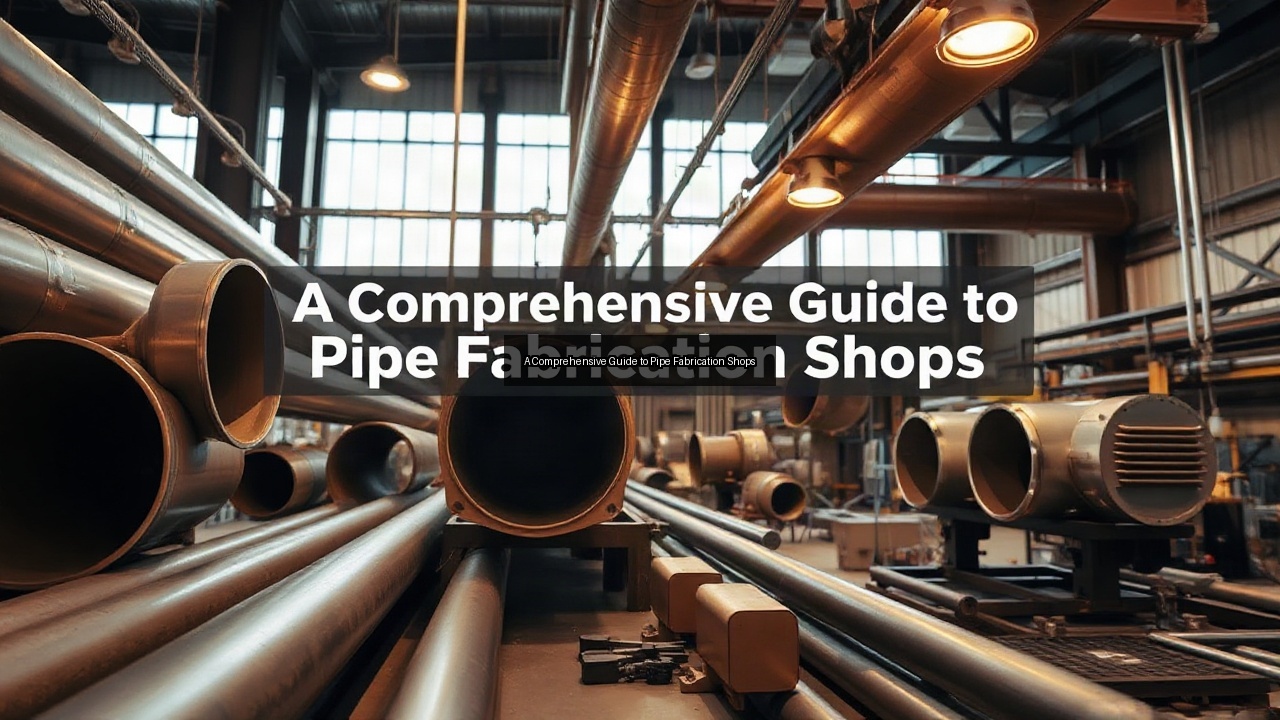
Pipe fabrication involves the process of constructing piping systems by cutting, shaping, and joining various types of pipes and tubes. This essential service is crucial across multiple industries, including oil and gas, water treatment, and construction. Fabrication shops utilize advanced techniques and machinery to produce components that meet specific operational requirements. The fabrication process not only encompasses the physical creation of pipes but also includes design, material selection, and quality assurance. Efficient pipe fabrication ensures that systems operate seamlessly, maximizing productivity while minimizing potential issues.
Types of Pipes and Tubes Used in Fabrication
Various types of pipes and tubes serve different purposes in fabrication, each with unique characteristics. Steel pipes, known for their strength and durability, are commonly used in high-pressure applications. Stainless steel pipes provide excellent corrosion resistance, making them ideal for chemical processing environments. Other materials include copper and PVC, which offer specific benefits for plumbing and drainage systems. Additionally, the diameter and wall thickness of these pipes can vary significantly, affecting their performance and suitability for particular applications. Understanding the different types of pipes available helps engineers and fabricators select the right materials for their projects.
Overview of Steel Pipe Fabrication
Steel pipe fabrication plays a crucial role in constructing robust piping systems. This process involves creating custom steel pipes suited for various applications, from industrial to structural uses. Fabricators often utilize carbon steel, alloy steel, and stainless steel, each offering distinct advantages, such as enhanced strength, corrosion resistance, and cost-effectiveness. The fabrication process includes cutting, bending, welding, and coating the steel pipes to ensure they meet industry standards and specific project needs. Steel pipe fabrication shops leverage modern technologies, such as CNC machines and robotic welding, to enhance efficiency and precision, ultimately delivering high-quality piping solutions.
Key Processes in Pipe Fabrication
Cutting and Shaping Pipes
The cutting and shaping of pipes represent the initial steps in the pipe fabrication process. Fabrication shops employ various methods to achieve precise cuts, including saw cutting, plasma cutting, and laser cutting. Each method offers unique advantages in terms of speed, accuracy, and material compatibility. After cutting, shaping techniques such as bending and forming are crucial to create pipes that conform to specific designs and application requirements. Advanced machinery and tools facilitate the shaping process, allowing for intricate designs and tight tolerances. Mastering these techniques ensures that the fabricated pipes fit seamlessly into the intended systems, maintaining both functionality and safety.
Welding Techniques in Fabrication
Welding forms the backbone of pipe fabrication, as it establishes strong, durable connections between pipe sections. Various welding techniques, including MIG (Metal Inert Gas), TIG (Tungsten Inert Gas), and stick welding, each serve distinct purposes depending on the material and application. TIG welding offers high precision and is often used for stainless steel pipes, while MIG welding allows for rapid production, making it suitable for carbon steel. Properly executed welding results in joints that can withstand high pressures and temperatures, ensuring the integrity of the piping system. Skilled welders play a vital role in achieving these high standards, as their expertise directly impacts the overall quality of the fabrication process.
Finishing and Quality Control Processes
Finishing processes in pipe fabrication encompass the final touches before pipes are delivered for installation. These processes include cleaning, coating, and inspection. Cleaning removes debris, oil, and contaminants that may affect performance, while protective coatings help prevent corrosion and enhance durability. Quality control is essential at this stage to ensure that fabricated pipes meet industry standards and customer specifications. Techniques such as non-destructive testing (NDT) can identify potential defects without damaging the materials. Rigorous inspection processes guarantee that every component adheres to safety and quality regulations, allowing for reliable and efficient piping systems.
Selecting a Pipe Fabrication Shop
Factors to Consider When Choosing a Fabrication Company
Selecting the right pipe fabrication shop requires careful consideration of several key factors. First, evaluate the experience and reputation of the fabrication company. A well-established shop often has a proven track record and can provide references pipe fabrication company from previous clients. Also, consider the range of services offered, as some companies specialize in specific materials or fabrication techniques. The capabilities of the shop should align with your project requirements. Additionally, assess the technology and equipment available; modern machinery often leads to more precise and efficient fabrication processes.
Comparing Pipe Fabrication Services
When comparing pipe fabrication services, focus on the specific offerings of each company. Some fabrication shops may provide comprehensive services, including design, engineering, and logistics, while others may only focus on manufacturing. Additionally, look for certifications that indicate compliance with industry standards, such as ISO or ASME. This ensures that the shop adheres to best practices in quality control and safety. Obtain quotes from multiple fabrication companies to gauge pricing and service options. A thorough comparison will help identify the best fit for your project, ensuring both quality and value.
Understanding Pricing Structures for Fabrication Services
Pricing structures for pipe fabrication services can vary significantly based on several factors, including material type, complexity of the design, and production volume. Fabrication companies may offer different pricing models, such as fixed pricing for standard projects or variable pricing based on material costs and labor. Understanding these structures allows clients to budget effectively for their projects. Inquire about any additional fees that may apply, such as charges for expedited services or specific finishing processes. A clear understanding of pricing will facilitate informed decision-making and help ensure that the project stays within budget.
Innovations in Pipe Fabrication
Emerging Technologies in Metal Pipe Fabrication
Emerging technologies revolutionize metal pipe fabrication, enhancing efficiency and precision. Automation plays a significant role, with CNC machines enabling high-speed cutting and shaping with minimal human intervention. Robotics in welding processes improve accuracy and reduce production time, allowing shops to meet higher demand while maintaining quality. Additionally, software solutions for design and simulation streamline the entire fabrication process, enabling engineers to visualize systems before production. These innovations not only improve operational efficiency but also reduce waste, making fabrication processes more sustainable and cost-effective.
Sustainability Practices in Pipe Fabrication
As environmental concerns grow, sustainability practices in pipe fabrication have gained importance. Many fabrication shops now prioritize the use of recyclable materials, minimizing waste throughout the production process. Additionally, energy-efficient machinery and practices help reduce the carbon footprint associated with fabrication activities. Implementing sustainable practices not only addresses environmental concerns but also appeals to a growing market of eco-conscious clients. Companies that adopt these practices often see improvements in operational efficiency and cost savings, creating a win-win scenario for both the business and the planet.
Future Trends in Pipe and Piping Fabrication
The future of pipe and piping fabrication looks promising, driven by technological advancements and evolving industry needs. Increased demand for customized piping solutions will likely lead to further developments in automation and smart manufacturing techniques. The integration of IoT (Internet of Things) technologies into fabrication processes will enhance monitoring and data collection, allowing for real-time adjustments and improvements. Additionally, as industries increasingly focus on sustainability, innovations in material science may introduce new eco-friendly materials for fabrication. Staying ahead of these trends will enable fabrication shops to remain competitive and meet the changing needs of their clients.