Comparing Portable and Stationary Industrial Dehumidifiers
Understanding the Basics of Industrial Dehumidifiers
What is Dehumidification?
Dehumidification refers to the process of reducing the level of humidity in the air. This process is crucial in various settings, particularly in industrial environments where excessive moisture can lead to equipment malfunction, compromised product quality, and even health risks. High humidity can create ideal conditions for mold growth and corrosion, which are detrimental to both infrastructure and product integrity. Effective dehumidification not only controls air moisture but also helps maintain optimal dew points, ensuring equipment operates efficiently and safely. In industrial settings, using a dehumidifier becomes essential for creating a controlled environment that fosters productivity and safety.
Types of Industrial Dehumidifiers: Portable vs. Stationary
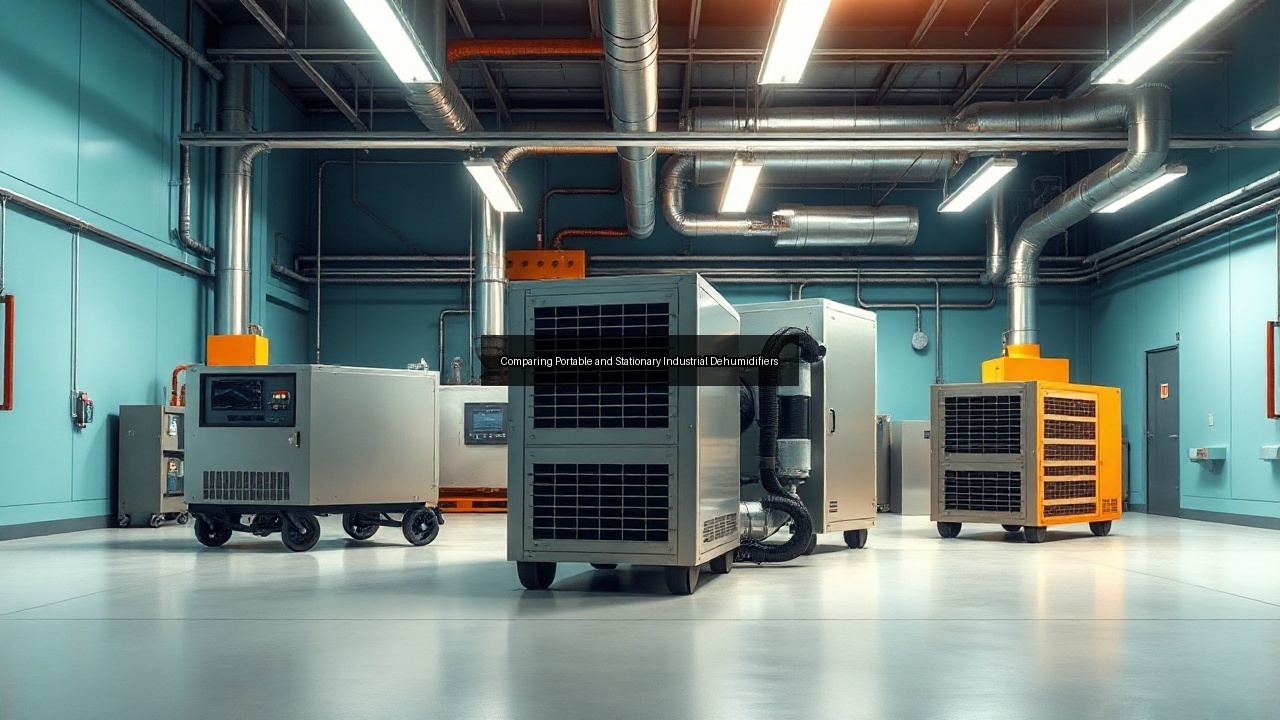
Industrial dehumidifiers come primarily in two types: portable and stationary. Portable dehumidifiers are designed for flexibility and ease of movement, making them ideal for varied applications across different locations within a facility. These units often feature built-in blowers and can be quickly deployed as needed, perfect for temporary projects or areas requiring quick moisture control. On the other hand, stationary dehumidifiers are permanently installed and usually offer higher capacity and efficiency. They are well-suited for large spaces where consistent humidity control is necessary. Each type has its unique advantages, and the choice between them depends largely on specific operational needs and the characteristics of the environment.
How Dehumidifiers Work: Key Components and Mechanisms
Industrial dehumidifiers function through a combination of mechanical and chemical processes. The primary components include a compressor, a condenser, an evaporator, and a blower. The compressor draws in moist air and circulates it through the system. As the air passes over the evaporator coils, the temperature drops, causing moisture to condense. This condensate collects in a reservoir or is expelled via a drain line. The drier air is then warmed slightly and released back into the environment, effectively lowering the overall humidity. In some systems, desiccant materials absorb moisture, making them particularly effective in low-temperature environments. Understanding these mechanisms helps users select the right industrial dehumidifier for their specific needs.
Comparative Analysis: Portable vs. Stationary Industrial Dehumidifiers
Mobility and Installation: Pros and Cons
The mobility of portable industrial dehumidifiers offers significant advantages in terms of flexibility and ease of use. These units can be moved to different areas as needed, making them ideal for projects that require temporary moisture control. Quick installation means minimal downtime, and many portable models are plug-and-play, allowing for rapid deployment in response to changing conditions. However, their capacity is often limited compared to stationary units, making them better suited for smaller spaces or short-term use. Stationary dehumidifiers, while requiring more extensive installation, provide robust and consistent performance over larger areas. They often integrate with existing HVAC systems for seamless climate control, making them essential for long-term applications. Ultimately, the decision hinges on the specific requirements of the space and the intended application.
Capacity and Performance: CFM Ratings Explained
When evaluating industrial dehumidifiers, understanding CFM (cubic feet per minute) ratings is essential. CFM indicates the volume of dehumidifier for industry air a dehumidifier can process in one minute, directly correlating to its capacity and performance. High CFM ratings typically reflect a unit's ability to handle larger spaces or more significant moisture loads, making them suitable for extensive industrial applications. Portable dehumidifiers often have lower CFM ratings, making them ideal for localized dehumidifying tasks, while stationary units boast higher ratings, providing comprehensive moisture control in expansive areas. Selecting the right CFM rating ensures that the chosen industrial dehumidifier meets the specific moisture control needs of your facility, enhancing both efficiency and effectiveness.
Energy Efficiency and Operational Costs
Energy efficiency plays a critical role in the overall cost of operating industrial dehumidifiers. Portable models generally consume less energy, making them a cost-effective choice for short-term projects. However, their lower capacity can lead to more frequent operation cycles, potentially offsetting energy savings. Stationary units, while initially more expensive, often offer superior energy efficiency due to their ability to handle larger volumes of air with less energy consumption per unit of moisture removed. Investing in high-efficiency models can lead to significant operational savings over time. Understanding energy ratings and operational costs associated with both types is crucial for making an informed choice that balances upfront costs with long-term efficiency.
Applications Across Industries
Dehumidifiers in the Pharmaceutical Industry: Ensuring Compliance
The pharmaceutical industry relies heavily on stringent environmental controls to ensure product quality and compliance with regulations. High humidity can jeopardize the integrity of sensitive medications and compounds, making industrial dehumidifiers indispensable in production and storage areas. These units maintain optimal humidity levels, preventing degradation and ensuring safety. Furthermore, compliance with standards set by organizations such as the FDA requires strict monitoring of air moisture levels. Advanced dehumidification systems equipped with real-time monitoring capabilities can help pharmaceutical companies maintain compliance and ensure the efficacy of their products, safeguarding both their reputation and consumer health.
Role in Electronics Manufacturing: Protecting Sensitive Components
In electronics manufacturing, controlling humidity is vital for protecting sensitive components from moisture damage. High humidity can lead to short circuits, corrosion, and product failures. Industrial dehumidifiers play a crucial role in creating a stable environment where moisture levels are kept in check, thus preserving the integrity of electronic components throughout the manufacturing process. Many manufacturers rely on both portable and stationary dehumidifiers to create localized moisture control in assembly areas and expansive production floors. By effectively managing air moisture, these dehumidifiers help ensure high-quality production and reduce costs associated with product recalls and warranty claims.
Food Packaging: Maintaining Freshness and Quality
The food packaging industry faces unique challenges related to moisture control. Excess humidity can lead to spoilage, mold growth, and compromised product quality. Industrial dehumidifiers play a vital role in maintaining optimal conditions during the packaging process, ensuring that food products remain fresh and safe for consumption. By controlling humidity levels, these units help preserve flavor, texture, and shelf life. Portable dehumidifiers can be deployed in specific packaging areas, while stationary units provide broader climate control across entire facilities. In a market that demands high quality and safety, effective dehumidification is essential for maintaining consumer trust and meeting regulatory standards.
Troubleshooting and Maintenance Tips
Common Issues with Industrial Dehumidifiers
Industrial dehumidifiers, like any machinery, can encounter various issues that hinder performance. Common problems include insufficient moisture removal, unusual noises, and frequent cycling. Insufficient moisture removal can result from clogged filters, low refrigerant levels, or malfunctioning sensors. Unusual noises often indicate mechanical issues, such as worn bearings or loose components. Frequent cycling may point to improper sizing or installation. Identifying these problems early can prevent costly repairs and ensure optimal operation. Regular monitoring and assessment of performance metrics are key to maintaining the efficiency of industrial dehumidifiers.
Preventive Maintenance Practices
Implementing preventive maintenance practices ensures that industrial dehumidifiers operate at peak efficiency. Regularly clean or replace air filters to prevent airflow restrictions and maintain efficiency. Inspect condensate drainage systems to avoid clogs that can lead to water damage. Schedule routine checks for refrigerant levels and inspect coils for ice buildup, which can impede performance. Additionally, calibrate sensors to ensure accurate moisture readings. Document all maintenance activities and keep a log of performance benchmarks to track changes over time. These practices help extend the lifespan of dehumidifiers and ensure consistent moisture control across industrial applications.
When to Call a Professional: Troubleshooting Guide
Not all issues can be resolved with simple troubleshooting. Recognizing when to call a professional technician is crucial for maintaining the integrity of industrial dehumidifiers. If you encounter persistent performance issues despite regular maintenance, or if you notice unusual noises or smells, it’s time to seek expert assistance. Additionally, if the unit requires refrigerant recharging or has electrical issues, professional intervention is necessary. Technicians can provide the expertise needed to diagnose complex issues and perform repairs safely. Proactive measures, including professional inspections, can further enhance the reliability of industrial dehumidifiers and contribute to long-term operational success.