How Rubber Products Enhance Chemical Resistance in the Paper Industry
The Role of Rubber Products in Enhancing Chemical Resistance
Understanding Chemical Resistance in the Paper Industry
Chemical resistance is a critical factor in the pulp and paper industry, where various chemicals are used for processing and treating wood fibers. The harsh environment of paper manufacturing exposes materials to acids, alkalis, and other corrosive substances. Rubber products for the pulp & paper industry play a significant role in mitigating these risks. They act as protective barriers, preventing chemical penetration and degradation of essential components within machinery.
The importance of chemical resistance cannot be overstated. It affects not only the longevity of equipment but also the quality of the final paper product. Any contamination from chemical reactions can lead to defects, impacting both aesthetics and performance parameters of the paper. Thus, selecting the right rubber products is vital for maintaining operational efficiency and ensuring safety throughout the manufacturing process.
Engineers and manufacturers continuously seek innovative solutions to enhance chemical resistance. By understanding the specific chemicals involved in production, they can choose appropriate rubber materials that withstand these environments effectively. This proactive approach can minimize downtime and maintenance costs while maximizing output and product quality.
Key Rubber Products Used in Pulp and Paper Manufacturing
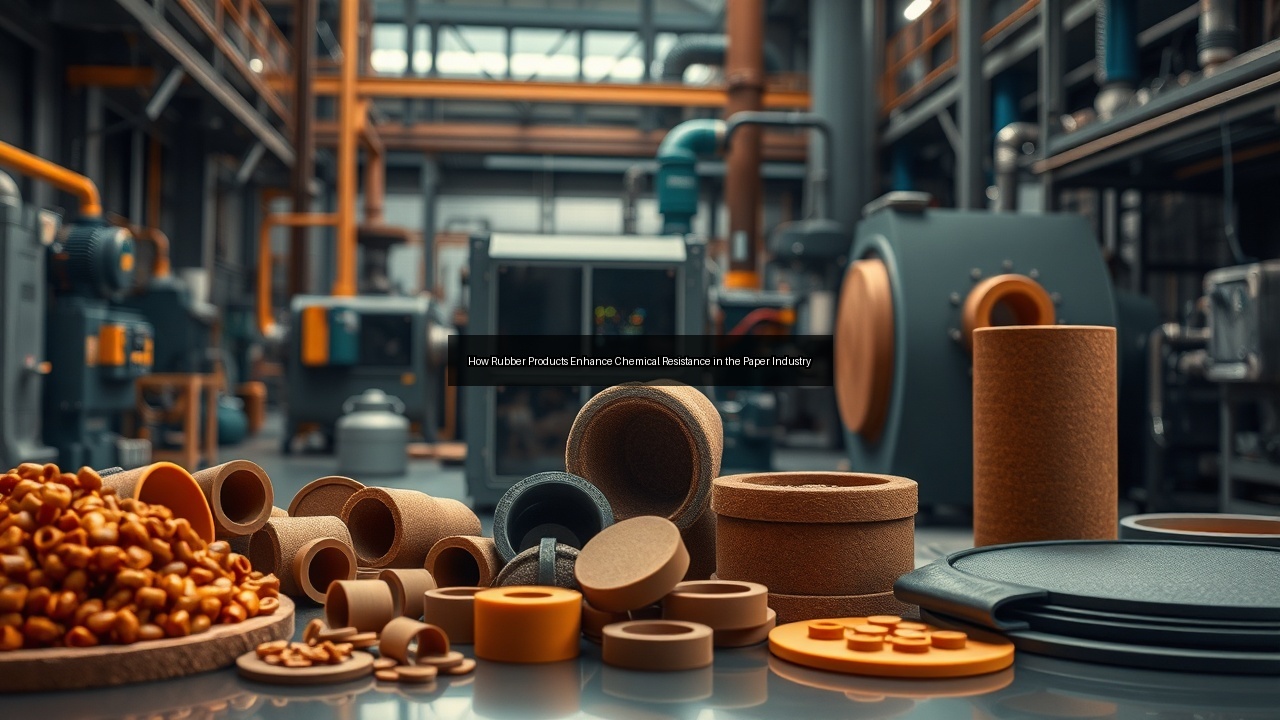
Several rubber products play pivotal roles in the pulp and paper manufacturing processes. Gaskets, stoppers, and vacuum components are among the most critical items. Each serves unique functions that contribute to the overall efficiency and safety of operations. Gaskets, for example, provide reliable sealing solutions that prevent leaks of chemicals and other substances, ensuring a safe working environment.
Stoppers are essential for preventing contamination in processes where materials need to be stored or transferred. They ensure that no foreign substances enter the system, which could compromise chemical integrity. Additionally, vacuum components maintain operational efficiency by providing the necessary pressure control during various stages of production.
Understanding the specific applications and benefits of these rubber products is crucial for optimizing production processes. Engineers must consider the compatibility of rubber materials with the chemicals they will encounter, ensuring that the chosen products can withstand the rigors of the manufacturing environment.
Types of Rubber Materials and Their Applications
Natural Rubber: Properties and Benefits
Natural rubber, derived from the latex of rubber trees, offers remarkable properties that make it a preferred choice in many applications within the pulp and paper industry. Its elasticity, durability, and resistance to wear and tear enable it to perform effectively in challenging conditions. Natural rubber displays excellent tensile strength and flexibility, making it ideal for gaskets and seals that need to conform to varying surfaces.
One of the standout features of rubber products for pulp industry natural rubber is its resilience against a range of chemicals, particularly those commonly used in paper manufacturing. Although it may not resist all chemicals as effectively as synthetic alternatives, its performance is often sufficient for many applications. Moreover, natural rubber’s biodegradability aligns with the sustainability goals of many companies in the pulp and paper sector.
Despite its advantages, natural rubber has limitations, particularly in extreme temperatures and certain chemical exposures. Manufacturers must evaluate the specific environments where natural rubber products will be used and consider blending or coating options to enhance their chemical resistance and performance longevity.
EPDM: The Versatile Choice for Chemical Resistance
Ethylene propylene diene monomer rubber (EPDM) is another key player in the rubber products for the pulp & paper industry. Known for its outstanding chemical resistance, EPDM outperforms natural rubber in many scenarios. Its synthetic composition allows it to withstand harsh environmental conditions, including exposure to ozone, heat, and ultraviolet light, making it an ideal choice for outdoor applications.
The versatility of EPDM extends to its compatibility with various chemicals, including acids and alkalis frequently encountered in the pulp and paper processes. This characteristic allows manufacturers to use EPDM gaskets and seals in situations where natural rubber would degrade, ensuring the integrity of the manufacturing process.
Furthermore, EPDM can be formulated to enhance specific properties, such as flame resistance or low-temperature flexibility. This adaptability makes it suitable for a wide range of applications, from sealing machinery to creating components for vacuum systems. By choosing EPDM, companies in the paper industry can enhance their operational reliability and extend the life of their equipment.
Specific Rubber Products and Their Functions
Gaskets: Sealing Solutions for Chemical Safety
Gaskets serve as vital components in any manufacturing setup, especially in the pulp and paper industry. They provide essential sealing solutions that prevent leaks of chemicals and protect both equipment and personnel from exposure to harmful substances. Choosing the right gasket material is crucial, as it must maintain integrity under pressure and resist degradation over time.
Rubber gaskets made from natural rubber or EPDM are popular in this sector due to their excellent sealing properties and chemical resistance. They can be custom-designed to fit various shapes and sizes, ensuring a tight seal in different applications. Whether placed between flanges or used to seal storage tanks, gaskets must be robust enough to withstand the rigors of the manufacturing environment.
Additionally, regular inspections and maintenance of gaskets are necessary to ensure they remain effective. Over time, wear and exposure to chemicals can compromise their sealing capabilities, leading to potential leaks that could disrupt operations. By investing in high-quality rubber gaskets, companies can enhance safety and improve operational efficiency.
Stoppers: Preventing Contamination in Processes
Stoppers play an equally important role in the pulp and paper industry, particularly in preventing contamination during the storage and transfer of materials. Whether used in tanks, pipes, or other containers, stoppers ensure that no unwanted substances can infiltrate the system, thus maintaining the purity and safety of the chemicals involved.
Rubber stoppers made from both natural rubber and EPDM offer excellent sealing capabilities. Their design allows for easy insertion and removal while providing a secure fit that prevents spills and leaks. This feature is particularly important in processes where precise chemical ratios must be maintained to ensure quality and consistency in the final paper product.
Effective rubber products for paper industry use of stoppers can significantly reduce the risk of cross-contamination, which is critical in a manufacturing environment where various chemicals are handled. Employing stoppers that are compatible with the specific chemicals used in production can prevent chemical reactions that could lead to safety hazards or product defects.
Vacuum Components: Ensuring Efficiency and Safety
Vacuum components are essential in the pulp and paper industry for maintaining operational efficiency. These components, often made from high-quality rubber, help create the necessary pressure differentials required for various processes, including drying and pressing. The integrity of vacuum systems relies heavily on the reliability of rubber seals and gaskets.
Utilizing rubber products in vacuum applications ensures that systems maintain proper pressure, which is critical for optimal performance. Any leaks in the vacuum system can lead to reduced efficiency, increased energy consumption, and potential equipment failures. Therefore, companies must select rubber materials that can withstand the unique challenges of vacuum systems, including exposure to heat and chemicals.
Regular maintenance and inspection of vacuum components are essential to ensure long-lasting performance. Companies should invest in high-quality rubber products designed specifically for vacuum applications, as this can lead to significant improvements in both safety and productivity.
Future Trends and Innovations in Rubber Products for the Paper Industry
Sustainable Rubber Alternatives
The future of rubber products in the pulp and paper industry is heading towards sustainability. As environmental concerns continue to rise, manufacturers are exploring sustainable rubber alternatives that minimize ecological impact. Innovations in bio-based rubber materials, derived from renewable resources, offer promising solutions that can reduce reliance on traditional rubber materials.
These sustainable options not only help decrease carbon footprints but also align with the growing demand for environmentally friendly practices in manufacturing. Companies that adopt these alternatives can enhance their brand image while contributing to a more sustainable future. This trend is particularly important in the pulp and paper industry, where sustainability is a core focus for many businesses.
Furthermore, advancements in recycling technologies for rubber products are making it possible to repurpose old rubber for new applications. This circular economy approach not only conserves resources but also reduces waste, presenting an exciting opportunity for the industry to innovate while reducing environmental impact.
Advancements in Rubber Technology for Enhanced Performance
Technological advancements in rubber materials continue to enhance their performance in the pulp and paper industry. Innovations in formulation techniques allow manufacturers to create rubber products with tailored properties, such as improved chemical resistance and durability. These advancements lead to longer-lasting rubber components, which translate to reduced maintenance costs and increased efficiency.
Additionally, smart rubber technologies are emerging, enabling the integration of sensors and monitoring systems within rubber products. This development can provide real-time data on the condition of rubber components, allowing for proactive maintenance and minimizing the risk of unexpected failures. Such innovations promise to revolutionize the way rubber products are used in the pulp and paper industry, ultimately enhancing operational efficiency and safety.
As the industry continues to evolve, the focus on developing high-performance rubber products becomes increasingly important. Companies that stay ahead of these trends will not only optimize their processes but also position themselves as leaders in the competitive landscape of the pulp and paper industry.