Navigating the Laser Cutting Process with 5 Axis Technology
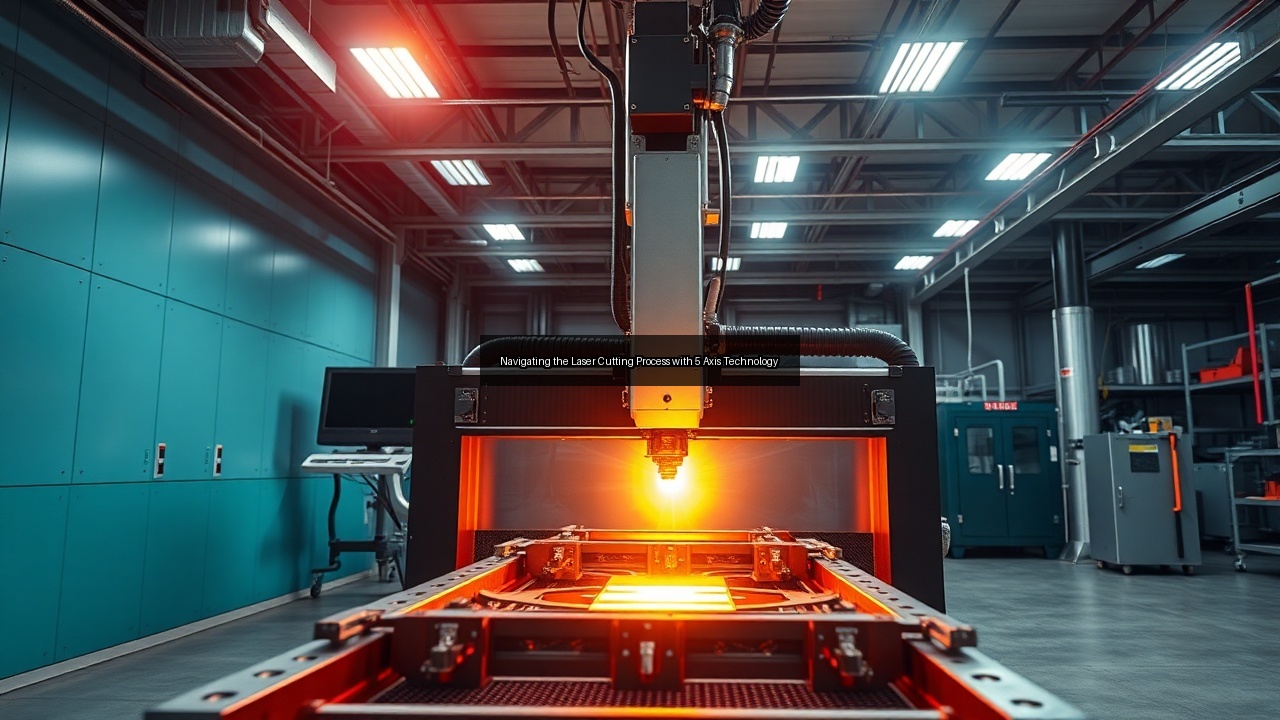
Understanding 5 Axis Laser Cutting Technology
What is 5 Axis Laser Cutting?
5 axis laser cutting represents a significant advancement in laser cutting technology, allowing for intricate designs and precise cuts on a variety of materials. Unlike traditional laser cutting methods that operate primarily along the X and Y axes, 5 axis laser cutting introduces three additional axes of movement (A, B, and C), enabling the laser cutter to move in multiple directions. This capability permits the creation of complex geometries and shapes, making it ideal for industries requiring high precision and customization. The versatility of 5 axis systems allows for the manipulation of the laser head’s angle and orientation, ensuring optimal cutting conditions and enhanced accuracy, especially on curved or angled surfaces.
Benefits of 5 Axis Laser Cutting Over Traditional Methods
5 axis laser cutting offers numerous advantages compared to traditional laser cutting techniques. First, the enhanced flexibility in cutting angles allows for a wider range of shapes and designs, which proves invaluable in sectors like aerospace and automotive engineering. Second, this technology significantly reduces the need for secondary operations. Traditional methods often require multiple setups and machining steps, while 5 axis laser cutting can achieve complex cuts in a single pass. This efficiency not only saves time but also minimizes material waste, resulting in cost savings. Additionally, the precision of 5 axis systems leads to higher-quality finishes and reduces the likelihood of errors, making it a preferred choice for high-stakes projects.
Key Components of a 5 Axis Laser Cutting Machine
A 5 axis laser cutting machine comprises several critical components that work in harmony to ensure top-notch performance. The laser source, which can be CO2 or fiber lasers, generates the beam necessary for cutting. The motion system, including linear and rotary axes, enables the machine to achieve the five-axis movement. The control system, often powered by advanced software, integrates computer-aided design (CAD) and computer-aided manufacturing (CAM) technologies, facilitating precise programming and operation of the laser cutter. The optics system focuses the laser beam onto the material, while the cooling and exhaust systems manage heat and smoke produced during the cutting process. Understanding these components helps users appreciate the technology’s capabilities and optimize its application.
The Laser Cutting Process Explained
Step-by-Step Overview of the Laser Cutting Process
The laser cutting process involves several well-defined steps, beginning with design preparation. Designers create detailed models using CAD software, ensuring that the specifications meet project requirements. Once the design is finalized, the material is prepared, which includes selecting the right type and thickness of the material to be laser-cut. Following this, the laser cutter is programmed using CAM software, which translates the CAD designs into machine language. The machine then begins the cutting process by directing a focused laser beam onto the material, where the intense heat melts or vaporizes the material along the predetermined path. After the cutting is complete, post-processing may be needed, such as cleaning the edges or removing any slag, to ensure the final product meets quality standards.
Materials Commonly Used in Laser Cutting
5 axis laser cutting accommodates a wide array of materials, making it versatile for various applications. Common materials include metals such as steel, aluminum, and brass, which benefit from the precision and speed of laser cutting technology. Non-metal materials like plastics, wood, and composites also lend themselves well to this process. Each material presents specific challenges and requires careful consideration of settings such as power, speed, and focus. For instance, cutting thicker metals may necessitate higher power settings, while delicate materials like acrylic require more finesse to avoid melting or burning. Understanding the properties of each material ensures optimal results and enhances the overall efficiency of the laser cutting process.
Safety Considerations in Laser Cutting
Safety remains paramount in the laser cutting environment. The intense beams produced by lasers can cause severe injuries, necessitating strict adherence to safety protocols. Operators must wear appropriate personal protective equipment (PPE), including safety goggles designed to filter out harmful wavelengths. Additionally, proper ventilation is crucial to manage fumes and smoke generated during the cutting process. The workspace should also be free from flammable materials to prevent fire hazards. Operators must receive thorough training in machine operation and emergency procedures to handle any potential malfunctions effectively. Implementing these safety measures not only protects personnel but also ensures the smooth operation of laser cutting services.
Applications of 5 Axis Laser Cutting
Industries Benefiting from 5 Axis Laser Cutting
5 axis laser cutting has found extensive applications across various industries, including aerospace, automotive, medical, and HVAC. In aerospace, the technology enables the production of lightweight yet strong components that meet strict regulatory standards. The automotive industry uses 5 axis laser cutting for manufacturing intricate parts, such as brackets and chassis components, which require high precision and durability. The medical field benefits from the ability to create complex surgical instruments and implants with exact specifications. HVAC systems often utilize 5 axis laser cutting for custom ductwork and fittings, enhancing efficiency in installations. Each of these industries leverages the precision and versatility of 5 axis laser cutting to improve product performance and reduce manufacturing times.
Case Studies: Successful Projects Using 5 Axis Technology
Numerous successful projects illustrate the effectiveness of 5 axis laser cutting technology. For instance, a leading aerospace manufacturer employed 5 axis laser cutting to produce intricate airframe components. This approach reduced the production time by 30% while enhancing the accuracy of the parts, leading to improved aerodynamics. In the automotive sector, a company utilized 5 axis laser cutting to create lightweight components for electric vehicles, significantly contributing to energy efficiency and performance. Another case involved a medical device manufacturer that developed complex implants using 5 axis laser cutting, resulting in improved patient outcomes due to the precision of the devices. These examples highlight the transformative impact of 5 axis technology across diverse sectors.
Integration with CNC Machining and Metal Fabrication
The integration of 5 axis laser cutting with CNC machining and metal fabrication creates a powerful synergy that enhances manufacturing capabilities. By combining these technologies, manufacturers can streamline processes and reduce lead times. For example, a design may begin with laser cutting to create detailed shapes, followed by CNC machining for precision finishing and drilling. This workflow reduces the need for multiple setups and minimizes material waste. Additionally, the compatibility of 5 axis laser cutting with various metals fabrication techniques, such as stamping and bending, allows for the creation of complex assemblies in one continuous process. This integration not only boosts productivity but also enables greater design flexibility, making it ideal for custom projects.
Choosing the Right Laser Cutting Service
Factors to Consider When Selecting a Laser Cutting Service
Selecting the right laser cutting service involves careful consideration of several factors to ensure quality and efficiency. First, assess the service provider's experience and specialization in 5 axis laser cutting. A company with a proven track record in your specific industry will likely understand unique challenges and requirements. Additionally, inquire about the technology and equipment they use. Advanced laser cutting machines equipped with the latest software can handle complex designs more effectively. Evaluate their quality assurance processes, including certifications and customer reviews, to ensure they maintain high standards. Finally, consider pricing and turnaround times to find a service that balances quality with affordability.
Comparing 5 Axis Laser Cutting Services
When comparing 5 axis laser cutting services, focus on their capabilities and flexibility. Some providers may specialize in certain materials or industries, while others may offer broader services. Request samples of previous work to gauge their precision and finish quality. Discuss their ability to handle varying project sizes, from one-off prototypes to large production runs. Additionally, consider their customer support and communication practices. A responsive service provider can help address any issues that arise during the project. By thoroughly evaluating these aspects, businesses can select a 5 axis laser cutting service that aligns with their specific needs and expectations.
Future Trends in Laser Cutting Technology
The future of 5 axis laser cutting technology promises exciting advancements that continue to enhance efficiency and capabilities. Emerging trends include the integration of artificial intelligence (AI) and machine learning, which can optimize cutting parameters in real-time, improving precision and reducing waste. Advances in laser source technologies, such as ultra-fast lasers, offer even greater cutting speeds and finer cutting capabilities. Additionally, automation and robotics are set to play a crucial role in streamlining operations, enabling manufacturers to achieve higher productivity levels. As industries evolve and demand for customization increases, 5 axis laser cutting will remain a vital technology, driving innovation in metal fabrication and beyond.