Single Phase Motors in Hazardous Locations: What You Need to Know
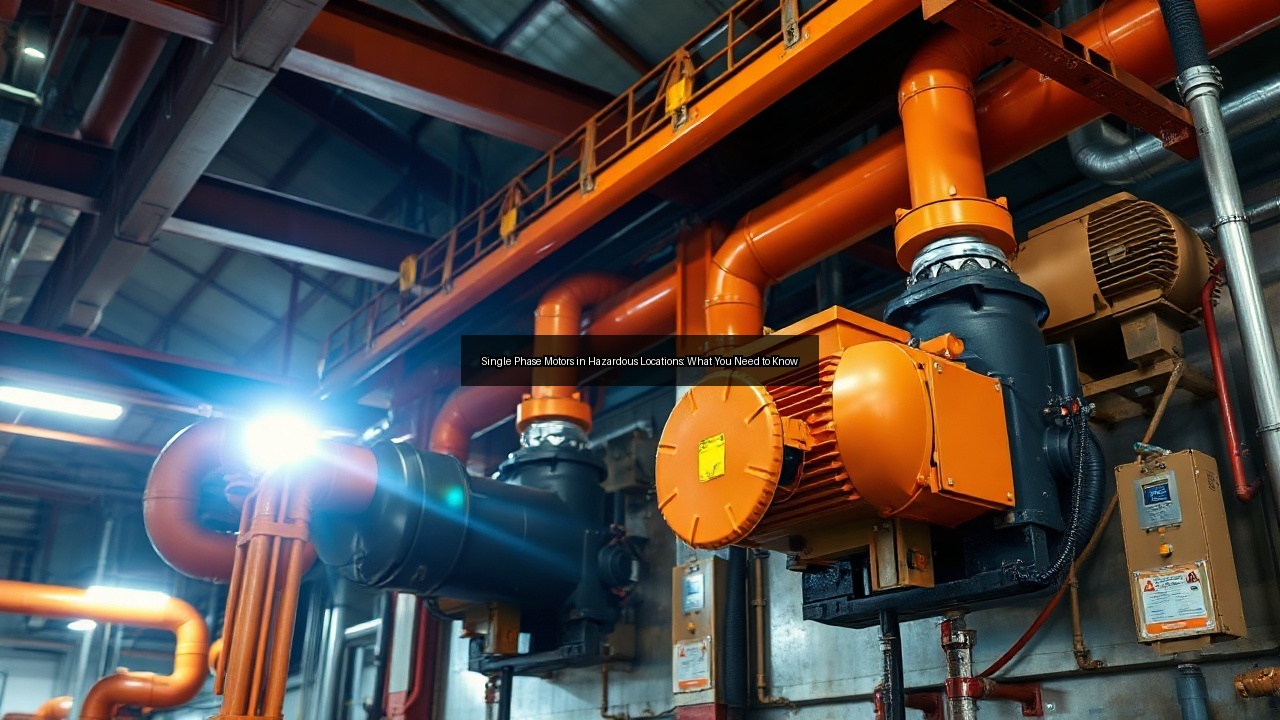
Understanding Hazardous Locations and Motor Requirements
Defining Hazardous Locations
Hazardous locations refer to environments where flammable gases, vapors, liquids, or combustible dusts may be hazardous location electric motors present, creating a risk of explosion or fire. Industries such as oil and gas, chemical manufacturing, and food processing often encounter these conditions. Properly designed equipment, including hazardous location motors, is crucial to ensure safety and compliance with regulations. Organizations must evaluate the specific nature of hazards present in their facilities. The National Electrical Code (NEC) and hazardous location electric motors other regulations provide guidelines for classifying these locations, ensuring that the motors and equipment used can withstand the potential ignition sources in such environments.
Types of Hazards: Gases, Vapors, and Dusts
Understanding the types of hazards is essential for selecting the right hazardous location motors. Gases and vapors, such as methane or gasoline vapors, can ignite when they come into contact with a spark or heat. Dusts, such as those generated in grain handling or woodworking industries, pose similar risks. Each type of hazard requires tailored solutions. For example, motors in environments with explosive gases must meet stringent standards, such as the NEMA ratings, which specify the motor's ability to operate safely under these conditions. Recognizing the specific hazards allows for the selection of motors that can effectively mitigate risks associated with ignition, ensuring operational safety.
Importance of NEMA Ratings in Hazardous Areas
NEMA ratings play a vital role in ensuring that single phase motors function safely in hazardous locations. The National Electrical Manufacturers Association (NEMA) provides standards that classify motors based on their enclosure and protection against dust and moisture. For hazardous locations, motors typically require specific ratings, such as NEMA Type 7 or 9, which designate them for use in areas with gas or dust hazards, respectively. These ratings determine the motor's ability to prevent ignition, which is critical in environments where flammable materials are present. Understanding NEMA ratings helps businesses choose the right motors to ensure compliance with safety regulations and protect both personnel and equipment.
Single Phase Motors: Features and Applications
Overview of Single Phase Motors
Single phase motors are commonly used in various applications where three-phase power is unavailable. They operate on a single phase of alternating current, making them ideal for smaller loads and residential use. In hazardous locations, these motors must be specifically designed to meet safety standards and prevent ignition. Single phase motors offer several benefits, including simplicity in design, ease of installation, and lower initial costs. However, their limited torque capacity compared to three-phase motors can restrict their use in more demanding applications. Understanding these features aids in selecting the appropriate motor for specific hazardous environments.
Common Applications in Hazardous Locations
Single phase motors find widespread use in various hazardous locations, particularly in industries such as oil and gas, chemicals, and food processing. Applications include pumps, blowers, and compressors that handle volatile substances. For instance, in a chemical plant, a single phase motor may power a pump that transfers flammable liquids, necessitating a motor designed to minimize ignition risks. These motors also serve in cooling towers, where they help circulate water while maintaining safety standards. Selecting the right motor for these applications ensures efficient operation without compromising safety. Industries must carefully assess their specific needs to choose the most suitable hazardous location motors.
Case Study: Single Phase Motors in Pulp and Paper Industry
The pulp and paper industry presents unique challenges regarding hazardous locations, primarily due to the presence of flammable dust and vapors during processing. Single phase motors play a critical role in various processes, such as pumping water, conveying materials, and powering fans. In one notable case, a paper mill implemented single phase motors designed with NEMA ratings suitable for dust environments, significantly reducing the risk of ignition. The motors' robust construction and compliance with safety standards minimized downtime and enhanced operational efficiency. This case illustrates the importance of selecting the right hazardous location motors to ensure safety and reliability in industries with specific hazards like those in the pulp and paper sector.
Choosing the Right Hazardous Location Motor
Key Considerations for Selecting Motors
Choosing the right hazardous location motor involves several critical considerations. First, assess the specific hazards present in your facility, including the type of gases, vapors, or dusts. This evaluation helps determine the necessary NEMA rating and motor design. Next, consider the motor's electrical specifications, such as voltage and frequency, to ensure compatibility with your power supply. The motor's efficiency and performance under load are also crucial, as they impact operational costs and reliability. Additionally, examine the motor's dimensions and mounting options to facilitate installation in your facility. These factors collectively contribute to selecting hazardous location motors that meet safety, efficiency, and operational requirements.
The Role of Distributors in Sourcing Motors
Distributors play a vital role in sourcing hazardous location motors that meet industry standards. They provide access to a wide range of motor brands and specifications, enabling businesses to find the right fit for their specific applications. Experienced distributors can offer valuable insights into the latest motor technologies and compliance requirements, helping organizations navigate complex regulatory landscapes. Furthermore, they often provide additional services such as installation support, maintenance, and repair options. Building strong relationships with reputable distributors ensures access to high-quality motors and the necessary expertise to address any challenges that arise in hazardous environments.
Understanding Warranty and Repair Options
When investing in hazardous location motors, understanding warranty and repair options is essential for long-term operational success. A robust warranty protects against manufacturing defects and premature failures, providing peace of mind for businesses operating in high-risk environments. Review the warranty terms carefully to ensure they align with your operational needs. Additionally, consider the availability of repair services, as downtime in hazardous locations can lead to significant financial losses. Opt for manufacturers or distributors that offer comprehensive repair solutions and prompt service to minimize disruptions. This proactive approach to maintenance and warranty management ensures the reliability and longevity of hazardous location motors.
Innovations and Trends in Hazardous Location Motors
Advancements in BLDC Motors for Hazardous Environments
Brushless DC (BLDC) motors are gaining traction in hazardous environments due to their efficiency and reliability. Unlike traditional motors, BLDC motors eliminate brushes, reducing friction and heat generation. This design minimizes the risk of ignition, making them suitable for hazardous locations. Innovations in materials and control systems have further enhanced the performance of BLDC motors, allowing for greater precision and speed control. As industries increasingly prioritize safety and efficiency, the adoption of BLDC motors in hazardous locations is expected to rise. These advancements highlight the importance of staying updated on motor technologies to ensure the best possible solutions for specific applications.
Frequency and Performance in Cooling Towers and Compressors
The frequency of operation significantly influences the performance of motors in cooling towers and gas compressors in hazardous locations. Motors must be capable of handling varying load conditions while maintaining optimal efficiency. In cooling towers, for instance, the motor must operate effectively under fluctuating water temperatures and flow rates. Likewise, compressors require motors that can manage different pressures and gas compositions. Selecting motors that can adapt to these frequency variations ensures continuous operation without compromising safety. Understanding the relationship between frequency and motor performance is essential for industries reliant on cooling systems and gas compression in hazardous environments.
Infrastructure Impacts on Motor Behavior in Hazardous Locations
The infrastructure surrounding hazardous location motors significantly impacts their behavior and performance. Factors such as temperature fluctuations, humidity, and exposure to corrosive substances can affect motor longevity and reliability. Additionally, the layout of the plant and proximity to hazardous materials can influence the motor's operational safety. Regular assessments of infrastructure conditions help identify potential risks and enable proactive measures to mitigate them. Businesses must consider these environmental factors when selecting and installing hazardous location motors to ensure optimal performance and compliance with safety standards. Understanding the interplay between infrastructure and motor behavior is crucial for maintaining safe and efficient operations in hazardous environments.