Tour de France Femmes Winning with the Right Gear and Hub Flanges
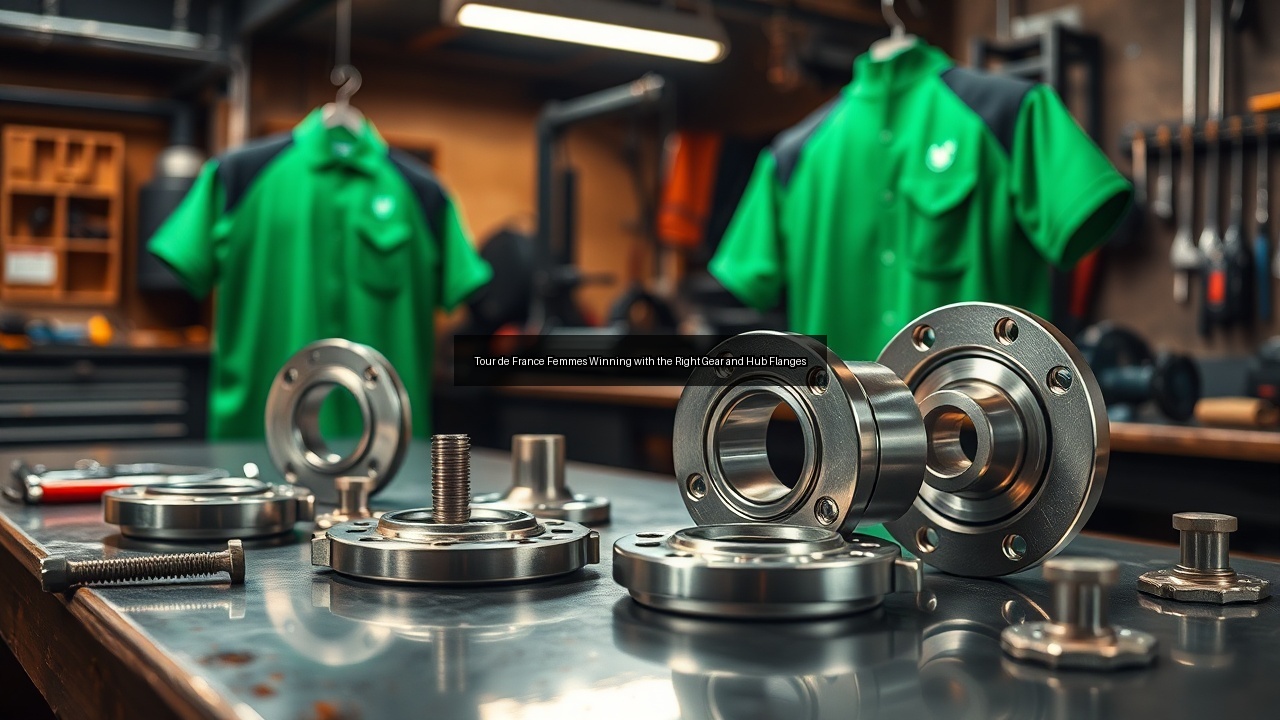
Understanding Hub Flanges in Cycling Gear
What Are Hub Flanges and Their Role in Cycling?
Hub flanges serve as crucial components in the structure of bicycle wheels. These flanges are the protruding parts of the hub where spokes attach, forming the framework that supports the wheel. The integrity and design of the hub flange directly influence a bike’s stability, performance, and overall handling. During intense competitions like the Tour de France Femmes, every small detail matters, and hub flanges play a pivotal role in maximizing efficiency and speed. Whether a cyclist is navigating the steep hills of Pau or cruising through the flat terrains of Bordeaux, well-designed hub flanges contribute to a smoother ride, ensuring power transfer from the pedals through the wheels.
Types of Hub Flanges: Flanged vs. Non-Flanged
Understanding the types of hub flanges is essential for cyclists aiming to enhance their performance. Flanged hubs feature distinct flanges that extend outward, providing a wider angle for spoke attachment. This design offers greater strength and stability, making it a popular choice among competitive cyclists. In contrast, non-flanged hubs have a more minimalist design, which may reduce weight but sacrifices some strength and durability. Choosing between flanged and non-flanged hubs often boils down to the rider's preferences, riding style, and specific needs during competitive events like the Tour de France Femmes. A well-informed decision here can lead to improved aerodynamics and efficiency on the bike.
The Importance of Bearings in Hub Flanges
Bearings are the unsung heroes of hub flanges, significantly impacting a bike's performance. These small but mighty components facilitate smooth rotation, reducing friction between the hub and the wheel. Most modern bicycles utilize ball bearings within the hub flange, which allow for seamless movement. High-quality bearings enhance durability and performance, ensuring that cyclists can maintain speed with minimal effort. Competitors in events like the Tour de France Femmes benefit immensely from superior bearing systems, as they contribute directly to speed and handling. When selecting a bike, paying attention to the type of bearings used in the hub flanges can make all the difference in achieving optimal racing performance.
The Impact of Proper Gear on Tour de France Femmes Success
Key Gear Components for Competitive Cyclists
Successful cyclists in the Tour de France Femmes rely heavily on high-performance gear that meets their specific needs. Key components include lightweight frames, aerodynamic helmets, and precise gear ratios. Each gear choice impacts the rider’s ability to accelerate and climb efficiently. Additionally, jerseys made from moisture-wicking fabrics help regulate body temperature and enhance comfort during long rides. The combination of these elements allows cyclists to perform at their peak. Innovations in gear technology continue to evolve, with manufacturers focusing on reducing weight while increasing durability. Selecting the right components tailored to individual racing styles can be the difference between victory and defeat in competitive cycling.
Tom Pidcock: Gear Choices and Performance
Tom Pidcock, a prominent figure in cycling, exemplifies the impact of gear choices on performance. His selection of equipment, including the right hub flange setup, has contributed to his success on the professional stage. Pidcock opts for a combination of lightweight materials and precision-engineered components that maximize efficiency. The right balance of aerodynamic design and structural integrity in his gear allows him to tackle the diverse terrains presented in events like the Tour de France Femmes. Observing his gear choices provides insight into how elite cyclists prioritize performance, emphasizing the importance of selecting the right hub flanges, bearings, and accessories to enhance their racing capabilities.
The Role of Jerseys and Accessories in Racing
Jerseys and accessories play a critical role in competitive cycling, especially in high-stakes races like the Tour de France Femmes. A well-fitted jersey made from breathable and stretchable material improves aerodynamics and comfort. Accessories such as gloves, sunglasses, and cycling shoes further contribute to a cyclist's performance. Each piece of gear is designed to reduce drag and enhance efficiency, allowing competitors to focus on their ride rather than discomfort or resistance. Furthermore, the significance of the green jersey in women’s cycling highlights how proper gear can also represent excellence and achievement. Cyclists often choose their gear not just for performance, but also for the symbolic value it carries as they strive for recognition on the podium.
Selecting the Right Hub Flanges for Your Bike
How to Choose the Best Hub Flange for Your Needs
Choosing the right hub flange involves several considerations. Cyclists should assess their riding style and the types of races they participate in. For example, flanged hubs are often favored for competitive cycling due to their strength and stability. When selecting a hub flange, evaluate factors such as material, weight, and compatibility with existing components. A well-matched hub flange can significantly enhance the bike’s performance, allowing riders to achieve optimal speeds and handling. Additionally, consider the type of bearings used, as these will affect the longevity and smoothness of the ride. Engaging with local bike shops or cycling communities can provide valuable insights into the best hub flanges for specific cycling needs.
Flange Ball Bearings: Enhancing Performance and Durability
Flange ball bearings are integral to the functionality of hub flanges, improving both performance and durability. These bearings reduce friction and wear, allowing for smoother wheel rotations. For competitive cyclists, opting for high-quality flange ball bearings can lead to significant performance enhancements. Specialized ball bearing designs can withstand the rigors of racing, maintaining efficiency over prolonged periods. When considering upgrades, cyclists should prioritize bearings that offer both strength and low rolling resistance. Investing in top-tier ball bearings not only boosts performance but also extends the lifespan of the hub flanges, making them a wise choice for anyone serious flange hub about cycling.
Common Issues with Hub Flanges and How to Fix Them
Even the best hub flanges can encounter issues over time. Common problems include wear and tear, misalignment, and bearing failure. Riders should regularly inspect their hub flanges for signs of damage or irregular wear. If you notice any issues, addressing them promptly can prevent further complications. For instance, replacing worn-out bearings or realigning misaligned flanges can restore optimal performance. Maintenance often involves checking and tightening set screws and ensuring that the bushing is in good condition. A proactive approach to maintenance ensures that your hub flanges remain in top shape, allowing for a smooth and efficient ride.
Exploring Tour de France Femmes Highlights and Gear Innovations
Memorable Moments in Bordeaux and Aurillac
The Tour de France Femmes has seen countless memorable moments, particularly in cities like Bordeaux and Aurillac. Each stage brings new challenges, showcasing the resilience and skill of female cyclists. From breathtaking climbs to thrilling sprints, these events highlight the importance of advanced gear. Riders often rely on meticulously crafted hub flanges and high-quality bearings to navigate the diverse terrains. Moments that capture the spirit of competition resonate with fans and inspire new generations of cyclists. These highlights not only celebrate the athletes but also underscore the significance of gear innovations that support their performance throughout the race.
The Significance of the Green Jersey in Women's Cycling
The green jersey holds a prestigious place in women's cycling, symbolizing excellence and competitive spirit. Awarded to the top sprinter, it represents not just speed, but also strategy and endurance. Cyclists vying for the green jersey must optimize their gear, including their choice of hub flanges and bearings, to maintain peak performance through challenging stages. The competition for this coveted jersey adds an exciting dynamic to the Tour de France Femmes, motivating athletes to excel. Gear designed specifically for sprinting can make all the difference, as cyclists seek to optimize every facet of their performance in pursuit of this honor.
Future Trends in Cycling Gear and Hub Technology
The future of cycling gear and hub technology promises exciting advancements. Innovations focus on enhancing performance, comfort, and durability. Manufacturers are experimenting with lightweight materials and advanced designs, leading to the development of superior hub flanges that provide better strength-to-weight ratios. Additionally, smart technologies are being integrated into cycling gear, allowing cyclists to monitor performance metrics in real-time. As these trends evolve, the cycling community can expect improvements in everything from hub design to overall gear functionality. Staying informed about these developments will empower cyclists to make informed choices, ultimately enhancing their experience on the bike.